Scar Work Therapy in Suffolk
Supporting recovery, movement and confidence after surgery
At Osteopath in Suffolk, we are delighted to offer Scar Work Therapy following advanced training completed by Georgia Simmons with the internationally recognised team at HLP Therapy.
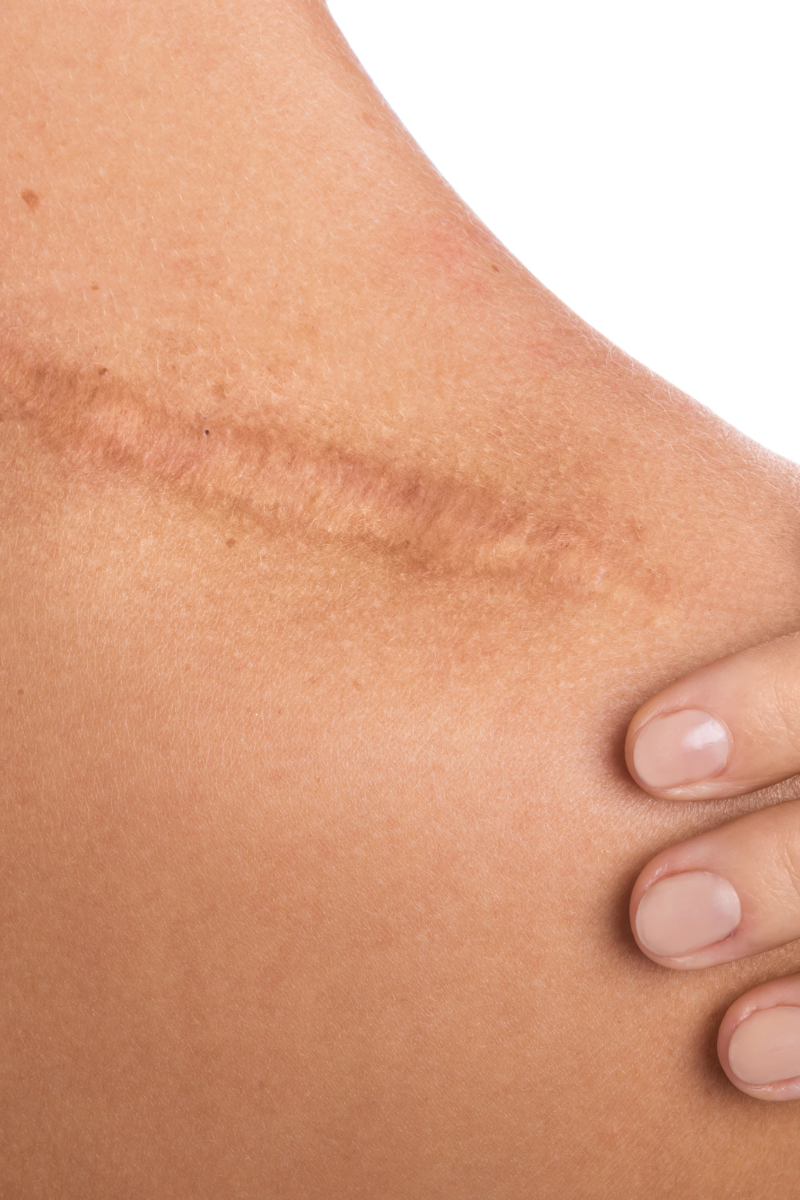
Scar Work Therapy is a gentle, hands-on treatment designed to improve the function, mobility and comfort of scar tissue following surgery, injury or trauma. While many people focus on how a scar looks, scar tissue can affect much more than the skin's surface. Restrictions within the underlying tissues can contribute to discomfort, tightness, altered sensation and reduced movement. Scar therapy aims to support the body's healing process and help restore normal tissue function.
What is Scar Work Therapy?
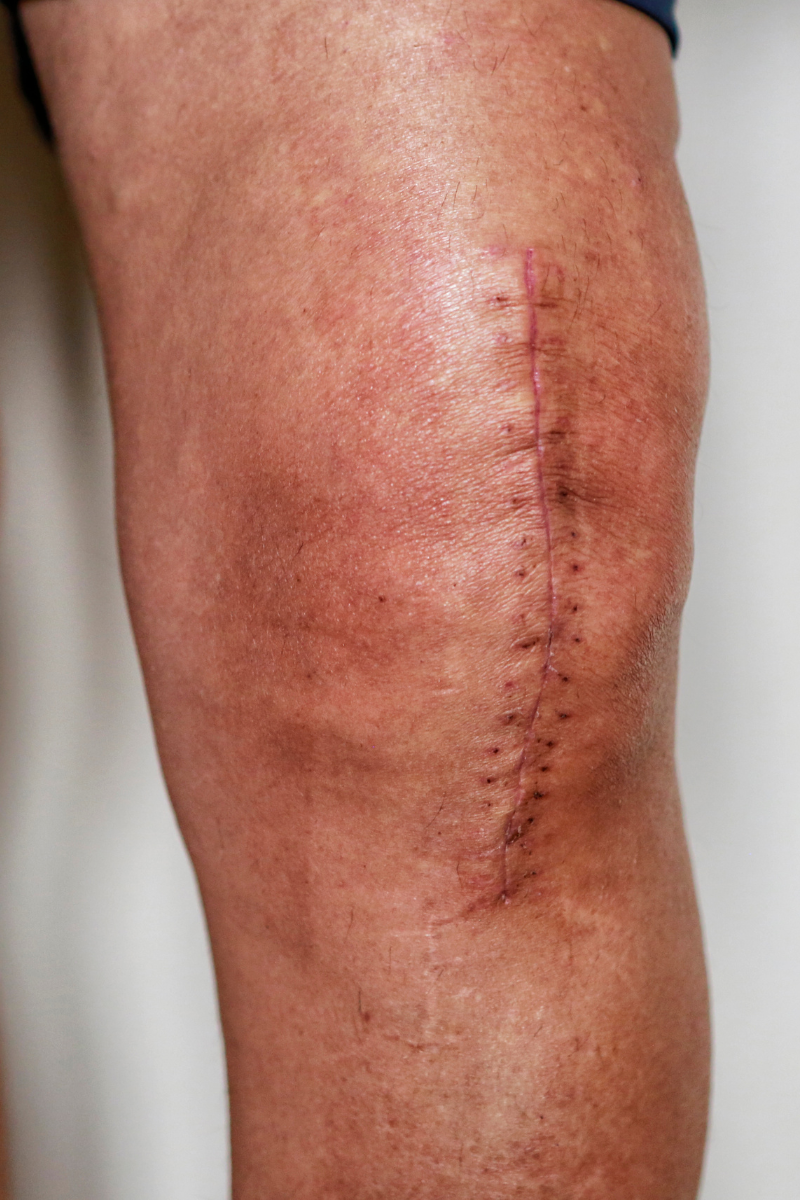
When the body heals after surgery or injury, it creates scar tissue. This tissue is different from normal skin and connective tissue, often becoming thicker, less elastic and more restrictive.
Over time, scar tissue can create adhesions between layers of skin, fascia, muscles and connective tissues. These adhesions may contribute to:
Tightness or pulling sensations
Pain or discomfort
Reduced mobility and flexibility
Numbness, tingling or heightened sensitivity
Postural compensations
Weakness or altered muscle function
Feelings of disconnection from the affected area
Scar Work Therapy uses gentle, specialised techniques to encourage tissue mobility, improve circulation and help the body adapt more effectively to the healing process.
How Scar Work Therapy can help following surgery
Whether you've had abdominal surgery, orthopaedic surgery, keyhole procedures, breast surgery or other operations, scar tissue can continue to influence your movement and comfort long after the wound has healed.
Scar Work Therapy may help to:
Improve tissue mobility and flexibility
Reduce feelings of tightness and restriction
Support healthy collagen remodelling
Improve circulation and lymphatic drainage
Encourage nerve recovery and sensation
Reduce discomfort associated with scar tissue
Improve overall movement and function
Support confidence and body awareness following surgery
Many people are surprised to learn that even scars that are months or years old can still respond positively to treatment.
C-section Scar Therapy: supporting postnatal recovery
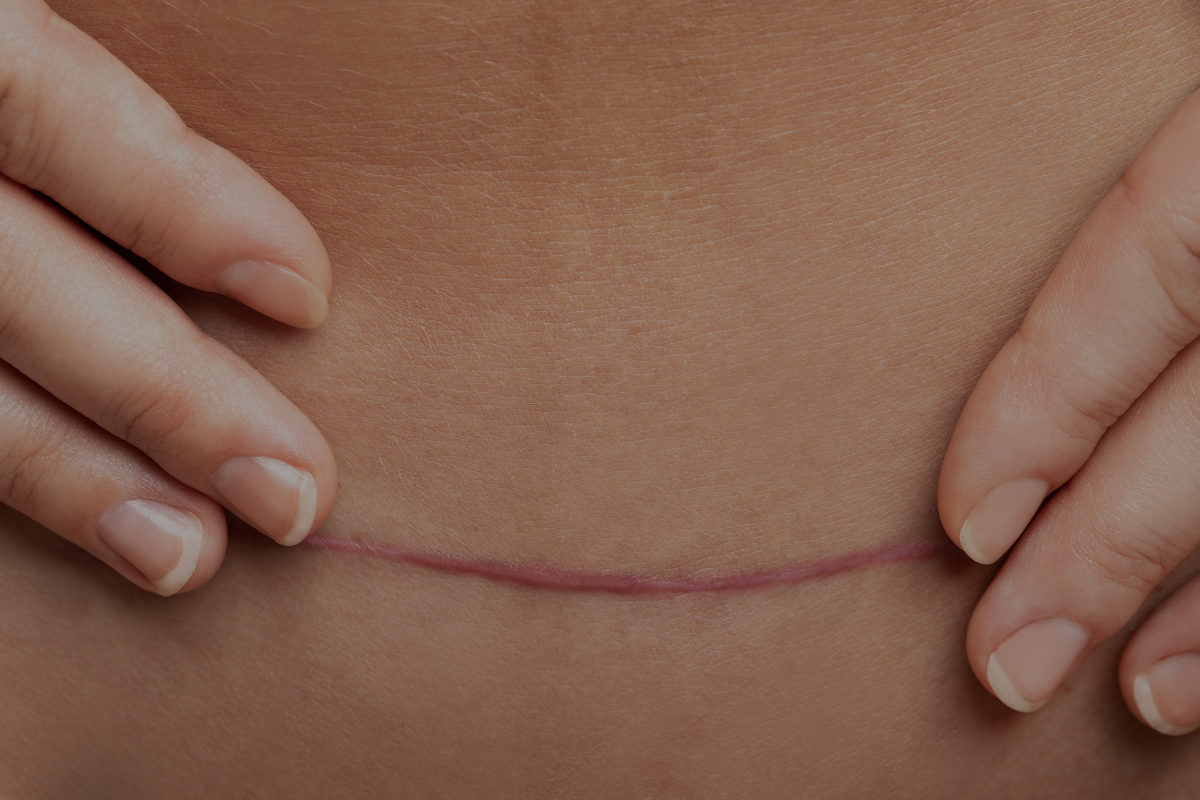
A caesarean section is major abdominal surgery, yet many women receive little guidance on caring for their scar once the initial healing period has passed.
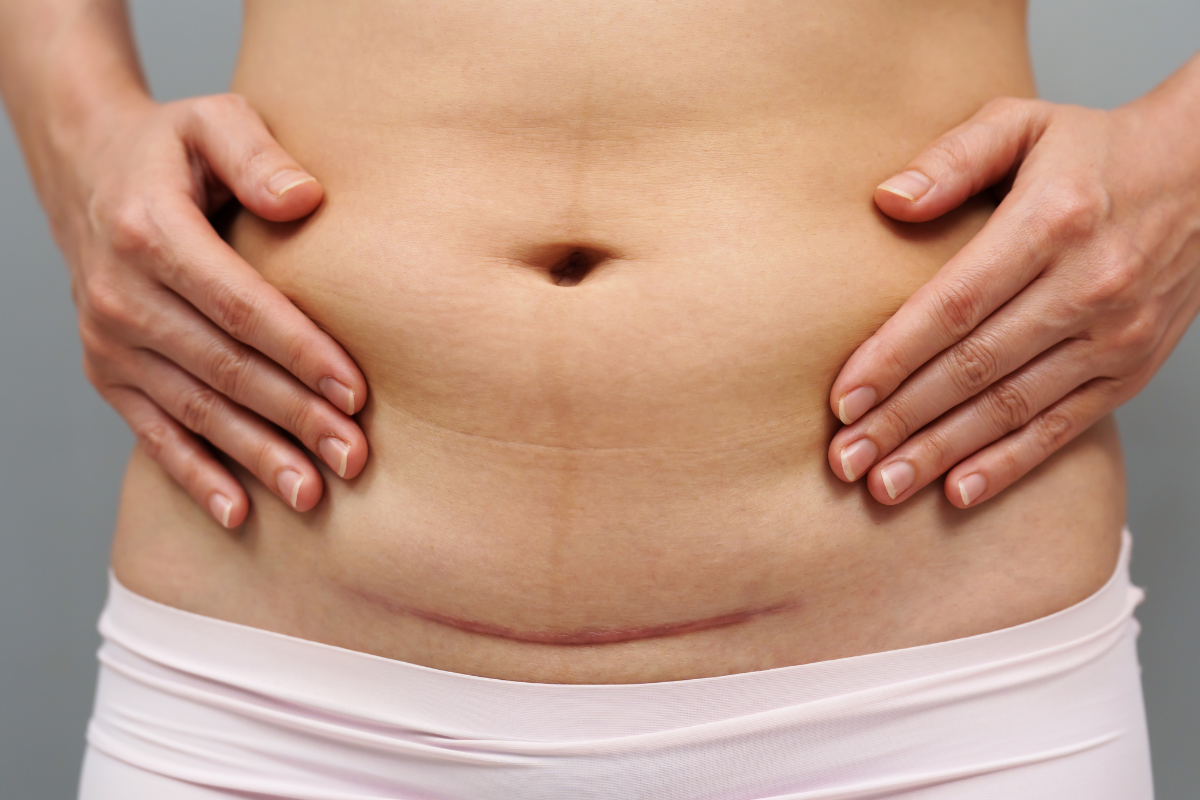
A C-section affects multiple layers of tissue, including skin, fascia, connective tissue and the uterus. While the external scar may appear healed, deeper layers can continue healing for many months. Restrictions within these tissues can sometimes contribute to ongoing symptoms such as:
Tightness around the scar
Numbness or altered sensation
Lower abdominal discomfort
A feeling of pulling when moving
Reduced core engagement
Postural changes
Lower back or pelvic discomfort
A visible "shelf" above the scar
Difficulty returning to exercise or sport
Scar Work Therapy provides a safe and supportive environment to address these concerns while helping women reconnect with their bodies after birth.
The benefits of postnatal scar therapy
Our approach focuses on the whole person, not just the scar itself.
Following a Caesarean birth, Scar Work Therapy may help:
Improve scar mobility
Gentle treatment can help reduce adhesions and improve movement between tissue layers, allowing the area to move more naturally.
Reduce tightness and discomfort
Many women experience ongoing pulling sensations around their scar. Scar therapy can help release restrictions that contribute to discomfort during daily activities and exercise.
Support core and pelvic function
Scar restrictions can influence abdominal function, posture and movement patterns. Improving tissue mobility may support a more comfortable return to exercise and everyday activities.
Improve sensation
Areas of numbness or altered sensation are common after C-sections. Scar therapy may help encourage nerve recovery and improve body awareness.
Support emotional recovery
For many women, a Caesarean scar is connected to a significant life event. Gentle scar work can help foster confidence, body awareness and a more positive relationship with the area.
Scar Work Therapy after a Hysterectomy
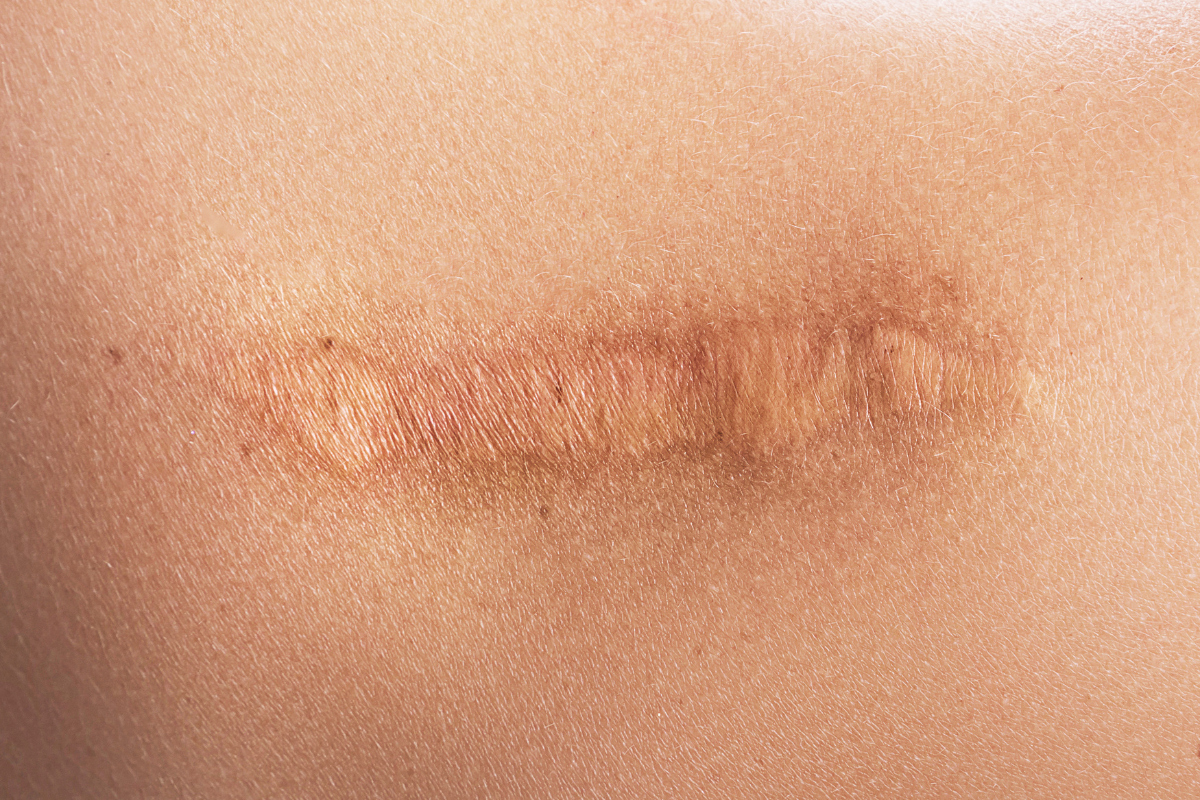
A hysterectomy is a major surgical procedure that can have lasting effects on the body long after the incision has healed. Whether performed through an abdominal incision, laparoscopically, or vaginally, hysterectomy surgery creates scar tissue that may affect the mobility of surrounding tissues and contribute to ongoing symptoms.
Many women are surprised to learn that scar tissue can continue to influence comfort, posture and movement months or even years after surgery. Restrictions within the abdominal wall and surrounding fascia may contribute to sensations of tightness, pulling, discomfort or reduced mobility.
Scar Work Therapy offers a gentle, hands-on approach to supporting recovery following a hysterectomy. Treatment focuses on improving tissue mobility, reducing adhesions and encouraging healthy movement between layers of skin, fascia and connective tissue.
How Scar Work Therapy May Help After a Hysterectomy
Women seek Scar Work Therapy following a hysterectomy for a variety of reasons, including:
Tightness around the abdominal scar
Pulling sensations during movement
Reduced flexibility through the abdomen and pelvis
Numbness or altered sensation around the scar
Lower back or pelvic discomfort
Feelings of restriction during exercise
A desire to improve overall recovery and body confidence
By addressing restrictions within the scar and surrounding tissues, treatment may help support more comfortable movement and improved function throughout the body.
Importantly, Scar Work Therapy is not solely focused on the scar itself. Recovery after a hysterectomy is often both physical and emotional, and treatment provides a supportive environment to help women reconnect with their bodies following surgery.
Scar Work Therapy after a Mastectomy
A hysterectomy is a major surgical procedure that can have lasting effects on the body long after the incision has healed. Whether performed through an abdominal incision, laparoscopically, or vaginally, hysterectomy surgery creates scar tissue that may affect the mobility of surrounding tissues and contribute to ongoing symptoms.
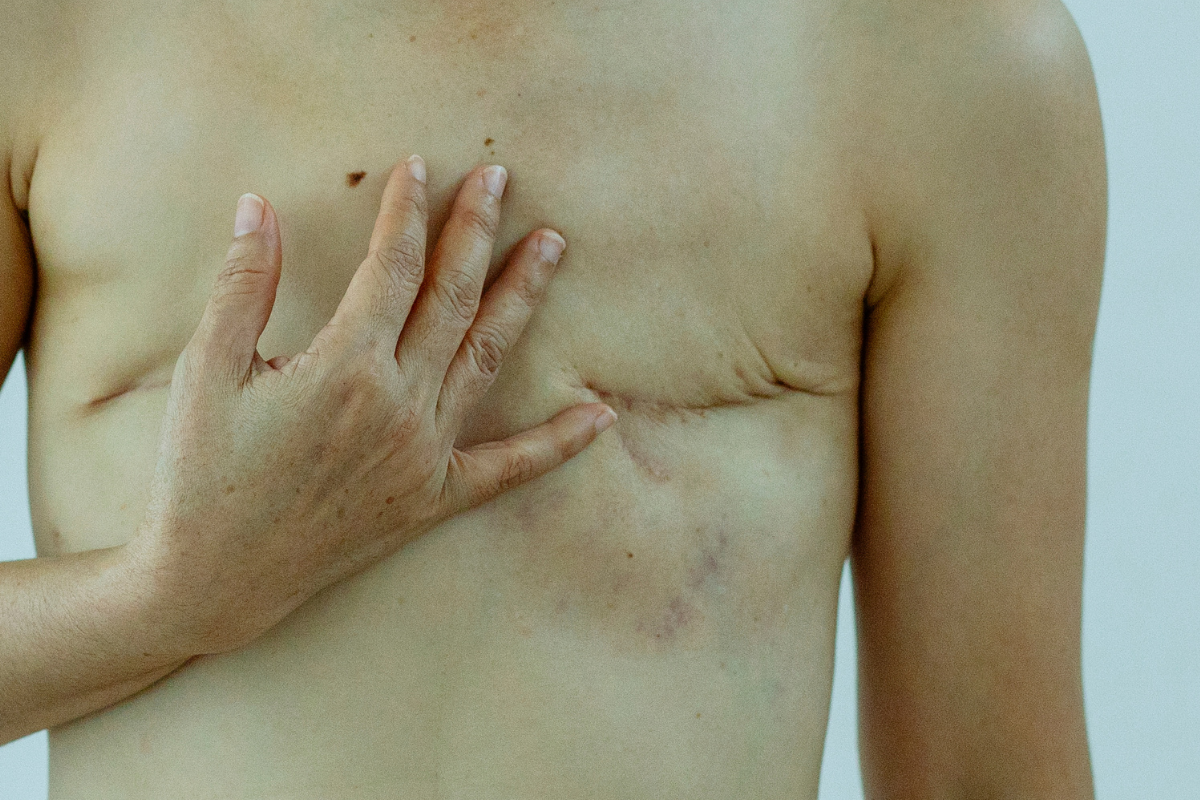
A mastectomy can be a life-saving procedure, but the physical impact of surgery often extends beyond the initial recovery period. Scar tissue formed following breast surgery can affect the movement of the chest wall, shoulder, neck and upper back, potentially contributing to ongoing discomfort and restriction.
Whether you have undergone a single mastectomy, double mastectomy, lumpectomy, reconstruction surgery or lymph node removal, Scar Work Therapy can play an important role in supporting long-term recovery.
Many women experience symptoms such as tightness across the chest, restricted shoulder movement, altered posture, numbness or heightened sensitivity around surgical scars. These symptoms can persist even when the scar itself appears well healed.
Scar Work Therapy uses gentle techniques designed to improve tissue mobility, support healthy healing and reduce the impact of scar-related restrictions.
How Scar Work Therapy may help after breast surgery
Treatment may help with:
Tightness across the chest wall
Restricted shoulder or arm movement
Pulling sensations around the scar
Sensitivity or numbness around the surgical site
Postural changes following surgery
Discomfort during exercise or daily activities
Improving confidence and body awareness after treatment
Many women find that improving scar mobility also helps them feel more comfortable in clothing, during exercise and when returning to normal daily activities.
As with all Scar Work Therapy treatments, sessions are tailored to the individual and delivered with sensitivity, care and respect for each person's recovery journey.
When can Scar Work Therapy begin?
Scar therapy can usually begin once the wound has fully healed and there are no signs of infection. For C-section scars, direct scar work is often appropriate from around 8–10 weeks postpartum, although individual circumstances vary. A full assessment will always be carried out before treatment begins.
Even if your surgery was several years ago, treatment may still be beneficial.
What to expect during your appointment
Your Scar Work Therapy appointment will include:
A detailed consultation and medical history
Assessment of the scar and surrounding tissues
Gentle hands-on Scar Work techniques
Advice on self-care and scar management
Personalised recommendations based on your goals and recovery stage
Treatment is always adapted to your comfort levels and should never feel aggressive or painful.
Scar Work Therapy in Suffolk
Georgia Simmons has completed specialist Scar Work Therapy training through HLP Therapy and is passionate about helping patients recover well after surgery, injury and childbirth.
Whether you're experiencing discomfort from a recent operation, recovering from a Caesarean birth, or looking to improve the mobility of an older scar, we are here to support your recovery.
Book a Scar Work Therapy appointment today and take the next step towards comfortable movement, improved confidence and a better connection with your body.
Frequently Asked Questions
Scar Work Therapy
-
Scar Work Therapy is a gentle hands-on treatment designed to improve the mobility, flexibility and function of scar tissue following surgery, injury or trauma. It works by addressing restrictions within the skin, fascia and underlying tissues that can contribute to discomfort, tightness and reduced movement.
-
C-section Scar Work Therapy can help improve tissue mobility, reduce tightness, improve sensation around the scar and support overall postnatal recovery. Many women find treatment helps them feel more comfortable during daily activities, exercise and movement after a Caesarean birth.
-
Most women can begin Scar Work Therapy once their scar has fully healed, typically from around 8-10 weeks after a Caesarean section. However, every recovery is different, so a professional assessment is recommended before treatment begins.
-
Yes. Scar Work Therapy can be beneficial for scars that are months or even years old. Scar tissue continues to adapt over time, and treatment may help improve mobility, comfort and appearance regardless of how long ago the surgery or injury occurred.
-
No. Scar Work Therapy uses gentle techniques and should not be painful. Treatment is always adapted to your comfort level and the sensitivity of the scar and surrounding tissues.
-
Scar Work Therapy may be suitable for:
C-section scars
Abdominal surgery scars
Hysterectomy scars
Breast surgery scars
Orthopaedic surgery scars
Keyhole surgery scars
Injury scars
Burn scars (once fully healed)
-
Many people experience numbness, tingling or altered sensation following surgery. Scar Work Therapy may help improve awareness and sensation by encouraging healthy tissue mobility and supporting nerve recovery.
-
The number of sessions varies depending on the size, age and complexity of the scar, as well as your symptoms and goals. Some patients notice improvements after one or two treatments, while others benefit from a short course of therapy.
-
No. While Scar Work Therapy may improve the appearance of a scar, its primary focus is improving tissue function, mobility, comfort and movement. Many patients seek treatment because of tightness, discomfort or restrictions rather than cosmetic concerns.
-
Yes. Even scars that are several years old can respond positively to treatment. Many women seek Scar Work Therapy long after surgery to address tightness, discomfort or movement restrictions that have persisted over time.
-
Yes. Although laparoscopic scars are smaller, they can still create restrictions within the surrounding tissues. Scar Work Therapy can be beneficial following both open and keyhole surgical procedures.
-
Yes. Scar Work Therapy may help improve mobility, reduce tightness and support recovery following mastectomy, lumpectomy, reconstruction surgery and other breast procedures.
-
Many women experience altered sensation following breast surgery. While results vary, Scar Work Therapy may help improve awareness of the area and support healthy tissue and nerve recovery.
-
Treatment can typically begin once the wound has fully healed and your surgical team has cleared you for hands-on therapy. The timing varies depending on the type of surgery and individual recovery.
-
Yes. Scar Work Therapy can be used following many forms of breast reconstruction surgery to help improve tissue mobility, reduce restrictions and support long-term comfort and function.
-
Georgia Simmons offers specialist Scar Work Therapy at Osteopath in Suffolk in Needham Market, helping patients recover from surgery, injury and childbirth through gentle, evidence-informed treatment.
Frequently Asked Questions
Scarring
-
There is no single "best" treatment for every C-section scar, as each person's recovery is different. However, Scar Work Therapy can be highly effective in improving scar mobility, reducing tightness, improving sensation and addressing restrictions in the surrounding tissues. Combined with appropriate postnatal rehabilitation and movement, scar therapy can support a more comfortable and functional recovery after a Caesarean birth.
-
Yes. Scar tissue can sometimes create restrictions, known as adhesions, that affect the surrounding muscles, fascia, nerves and connective tissues. These restrictions can contribute to discomfort, tightness, pulling sensations or altered movement patterns, even years after the original surgery. Scar Work Therapy may help improve tissue mobility and reduce these symptoms.
-
Scar tissue cannot be "broken down" in the literal sense, but it can often be remodelled and made more mobile through targeted treatment. Scar Work Therapy uses gentle, hands-on techniques to improve tissue movement, reduce adhesions and encourage healthy tissue adaptation. This can help improve comfort, flexibility and function around the scar.
-
YMany women find Scar Work Therapy beneficial following a C-section, particularly if they experience tightness, numbness, discomfort or difficulty reconnecting with their abdominal muscles. Treatment can support both physical and emotional recovery, helping women feel more comfortable and confident in their bodies after childbirth.
-
A C-section shelf is the overhang of tissue that can develop above the scar. While it can be influenced by factors such as healing, tissue restrictions, posture, abdominal strength and body composition, Scar Work Therapy may help improve mobility within the scar and surrounding tissues. This can sometimes reduce the appearance of a shelf and improve how the area feels and moves.
-
Even when a scar appears fully healed on the surface, deeper tissues can remain restricted. Adhesions between layers of skin, fascia and muscle may contribute to ongoing tightness, pulling sensations or discomfort. Scar Work Therapy aims to improve mobility between these tissue layers and may help reduce long-standing restrictions.
-
Initial wound healing typically occurs within a few weeks, but scar tissue continues to mature and remodel for up to two years after surgery. During this time, the scar's appearance, flexibility and sensation can continue to change. Even mature scars may respond positively to Scar Work Therapy.
-
Numbness around a surgical scar is common and often occurs when small nerves are affected during surgery. Scar Work Therapy may help improve tissue mobility and encourage awareness of the affected area. While outcomes vary between individuals, some patients report improvements in sensation following treatment.
-
Adhesions are bands of scar tissue that can form between tissues and organs as part of the body's natural healing process. After a C-section, adhesions may develop between layers of skin, fascia, muscle and deeper structures. In some cases, these adhesions can contribute to tightness, discomfort or restricted movement. Scar Work Therapy aims to improve mobility within these tissues and reduce the impact of adhesions.
-
Yes. Scar tissue can sometimes alter the way tissues move and function, leading to compensations elsewhere in the body. For example, restrictions around a C-section scar may influence abdominal muscle function, pelvic positioning or movement patterns. Addressing scar mobility through Scar Work Therapy can help support more comfortable and efficient movement.
-
Scar tissue can create adhesions between layers of skin, fascia and muscle. These restrictions can remain long after the scar has healed and may contribute to feelings of tightness, pulling or reduced mobility.
-
Potentially, yes. Restrictions around the abdomen and pelvis can sometimes alter movement patterns and posture as the body compensates for areas of reduced mobility.
-
Scar tissue and post-surgical protective movement patterns can affect the chest, shoulder and upper back. This may contribute to reduced mobility and feelings of stiffness. Improving tissue mobility around the surgical area may help support more comfortable movement.

